
Take My Online Economics Class for Me
Falling behind in an online economics class usually starts small: one missed discussion, a graph that does not make sense, or an econometrics assignment that takes far longer than expected. If the weekly deadlines are now stacking up, you can get support with the recurring coursework, calculations, data tasks and written assignments while keeping proctored and identity-verified work in your own hands.
What does “take my online economics class” usually involve?
It usually refers to recurring support with the coursework surrounding an online economics class. The actual scope depends on whether the course is theory-heavy, quantitative, research-based or built around econometrics.
Can someone help with my online economics class?
Yes. Support can cover graph-based problems, written assignments, weekly discussion posts, case analysis, research tasks and quantitative exercises. Proctored, oral and identity-verified requirements still need your participation.
Why do economics classes become difficult so quickly?
Many modules build on earlier models. If supply and demand, elasticity, cost curves, aggregate demand or multiplier logic are unclear, later problems become harder because the graph, calculation and explanation all depend on the same concept.
What changes when the course includes econometrics?
Econometrics adds datasets, regression output, statistical assumptions and software interpretation. The assignment brief and dataset need to be reviewed together because a correct numerical output can still be interpreted incorrectly.
Do I need to share my university password?
No. Send the syllabus, screenshots, assignment files, datasets and deadlines directly. Your university sign-in credentials should remain private.
Economics class support should follow the branch you are actually studying
A student asking “can you take my online economics class for me?” might be working on consumer choice, national income, regression analysis or international trade. Those courses need different skills and different evidence.
Consumer and firm behavior, supply and demand, elasticity, production, costs, market structures and welfare analysis.
demand · elasticity · cost curves · monopolyGDP, inflation, unemployment, economic growth, fiscal policy, monetary policy and aggregate demand and supply.
GDP · inflation · AD-AS · policyRegression, hypothesis testing, model specification, time series, panel data and interpretation of statistical output.
regression · Stata · R · EViewsEconomic reasoning applied to pricing, demand forecasting, production, competition and business decisions.
forecasting · pricing · optimizationTrade, comparative advantage, exchange rates, trade policy, balance of payments and global economic relationships.
trade · FX · comparative advantageDecision biases, incentives, taxation, public goods, externalities, welfare and government intervention.
incentives · taxation · welfare · policyA correct graph is only useful if the economic story is correct
Economics assignments often require four things to agree: the model, the graph, the calculation and the written interpretation.
- Model choice matters. A shift in demand is different from a movement along a demand curve, and the written explanation needs to match the graph.
- Units matter. Elasticities, percentages, index values and growth rates can lead to different conclusions when interpreted incorrectly.
- Assumptions matter. Economic models simplify reality, so many assignments grade the reasoning behind the assumption as well as the final answer.
- Evidence matters. Applied economics may require current data, published sources or statistical output rather than a purely theoretical answer.
Your economics class may use an LMS, a data tool and external datasets
The university LMS controls the weekly course, while econometrics and applied economics may add spreadsheets, statistical software and public data sources. Looking at only the syllabus can miss part of the quantitative workload.
Send the syllabus, the current module, any dataset, the required software and a screenshot of the next graded task. That makes the scope much easier to assess correctly.
Canvas, Blackboard, Brightspace or Moodle
This is usually where the syllabus, discussion prompts, quizzes, rubrics, due dates, lecture material and grades are organized.
Excel, Stata, R, EViews or similar tools
Econometrics and applied economics may require regression, forecasting, statistical testing, tables, graphs or model output outside the LMS.
Published datasets and current economic indicators
Research and applied assignments may require GDP, inflation, employment, trade, demographic or other economic data from recognized public sources.
Published economics tutor profiles provide subject-level evidence
These live profiles list economics specialties and public ratings, so visitors can inspect the background behind the subject rather than relying on generic expert claims.
Riley Madison
★ 4.6 / 5Andrew Garfield
★ 4.8 / 5Mateo Rivera
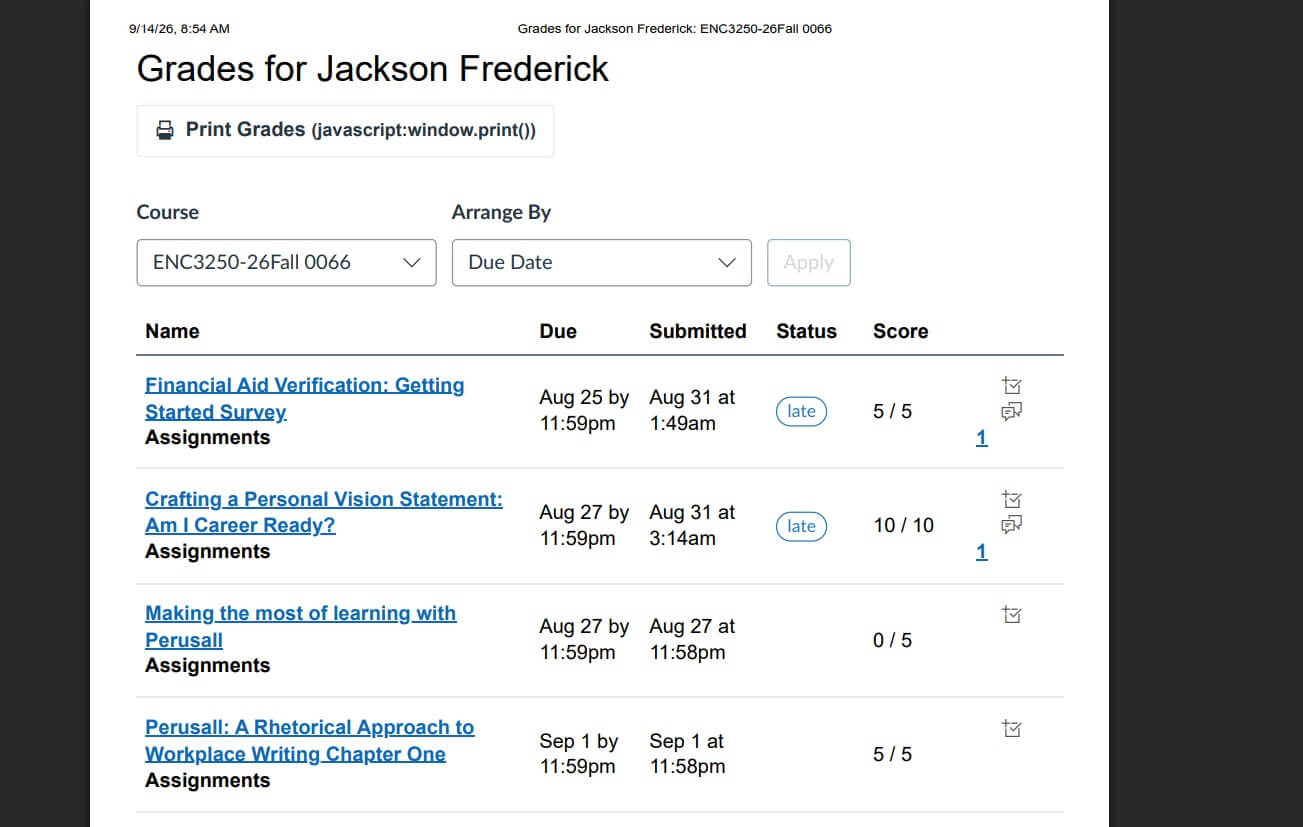
★ 4.9 / 5Real online-course dashboard examples
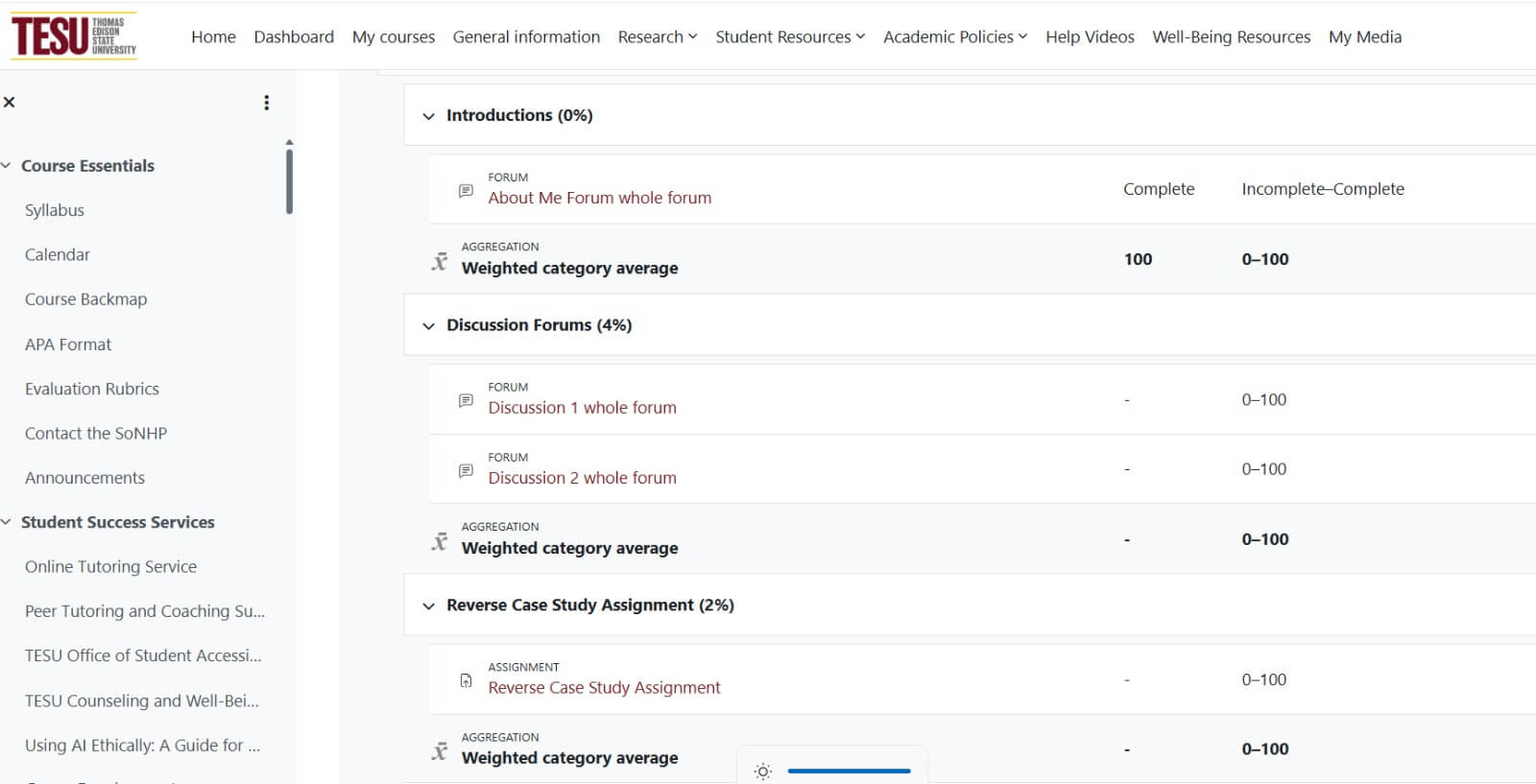
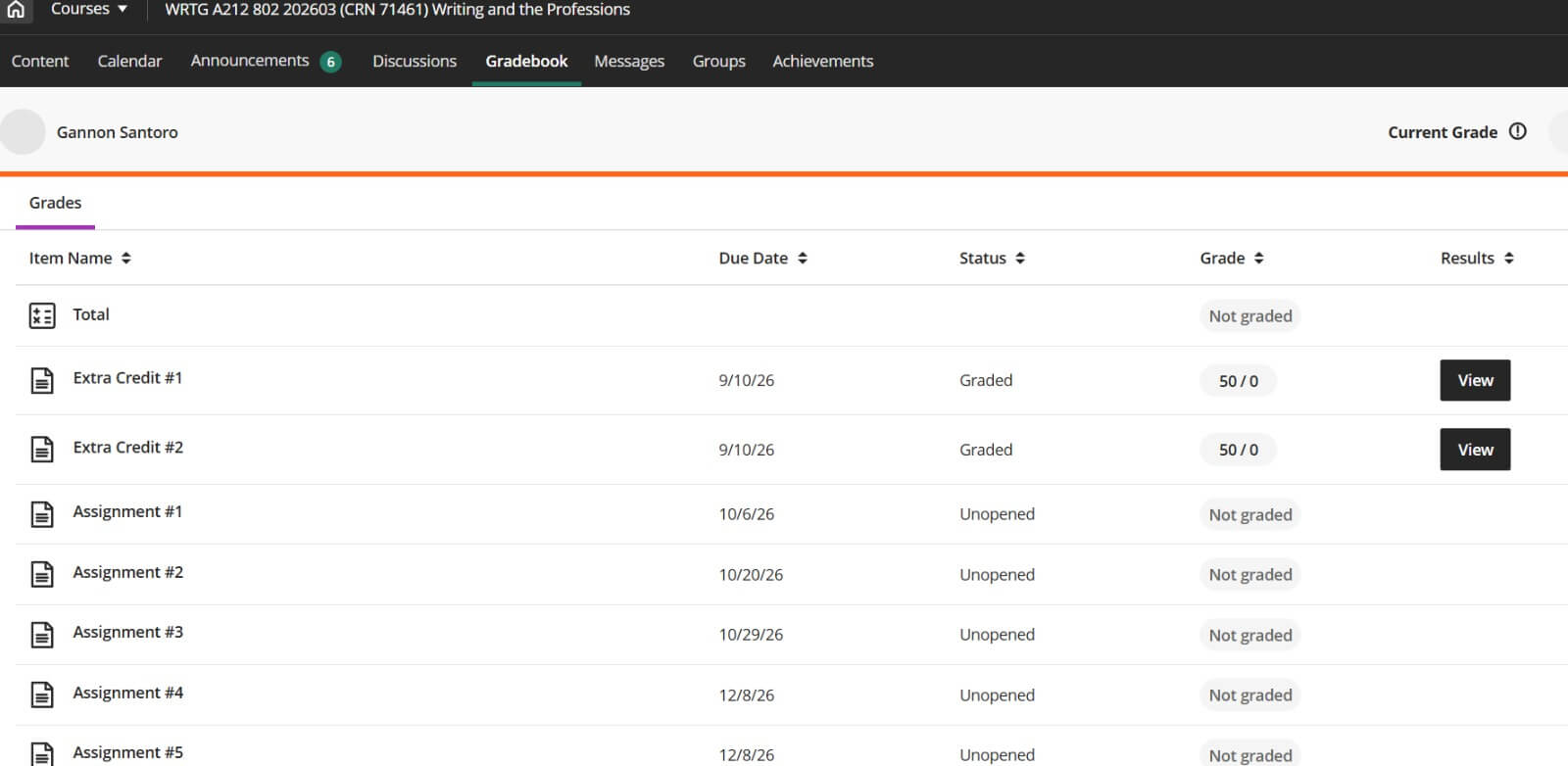
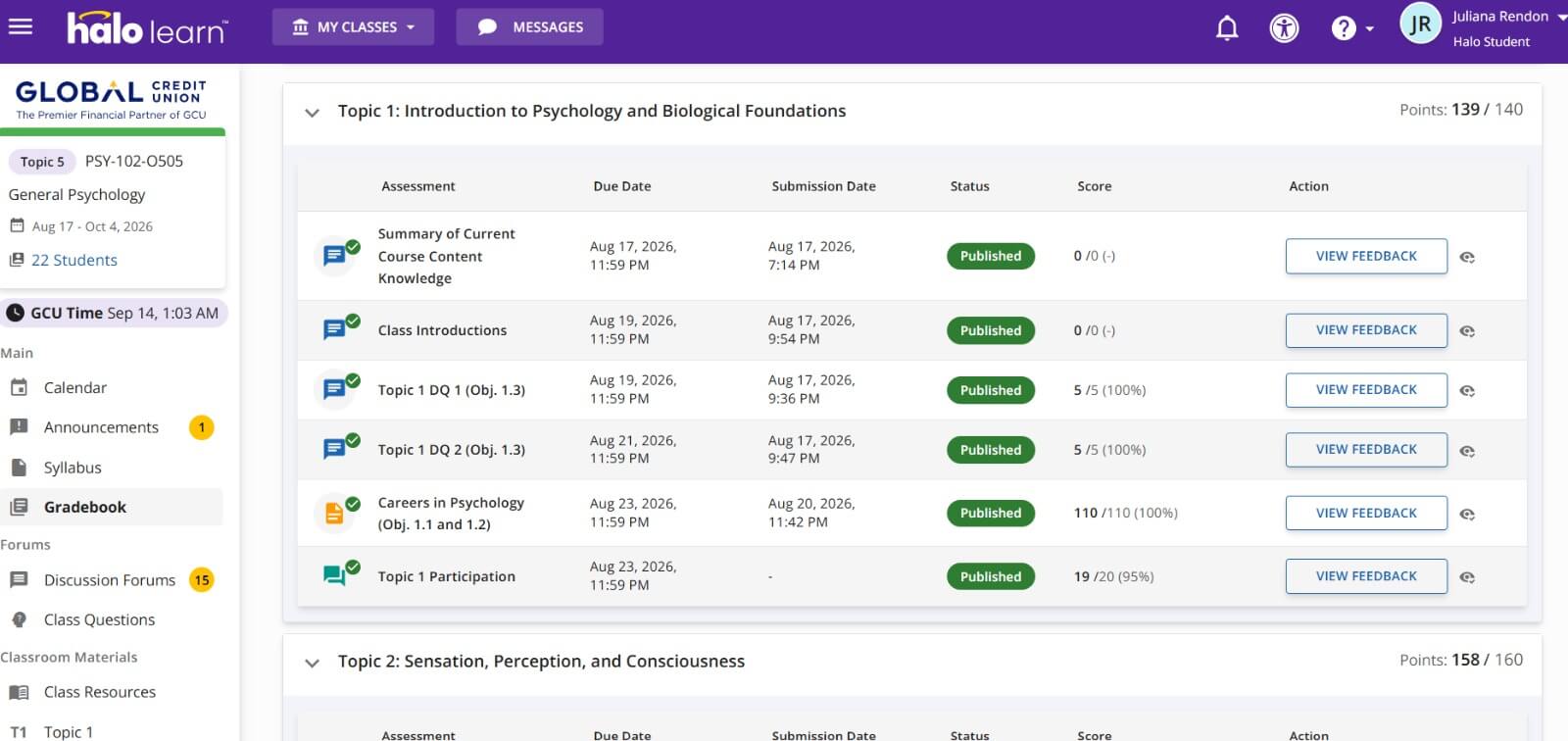
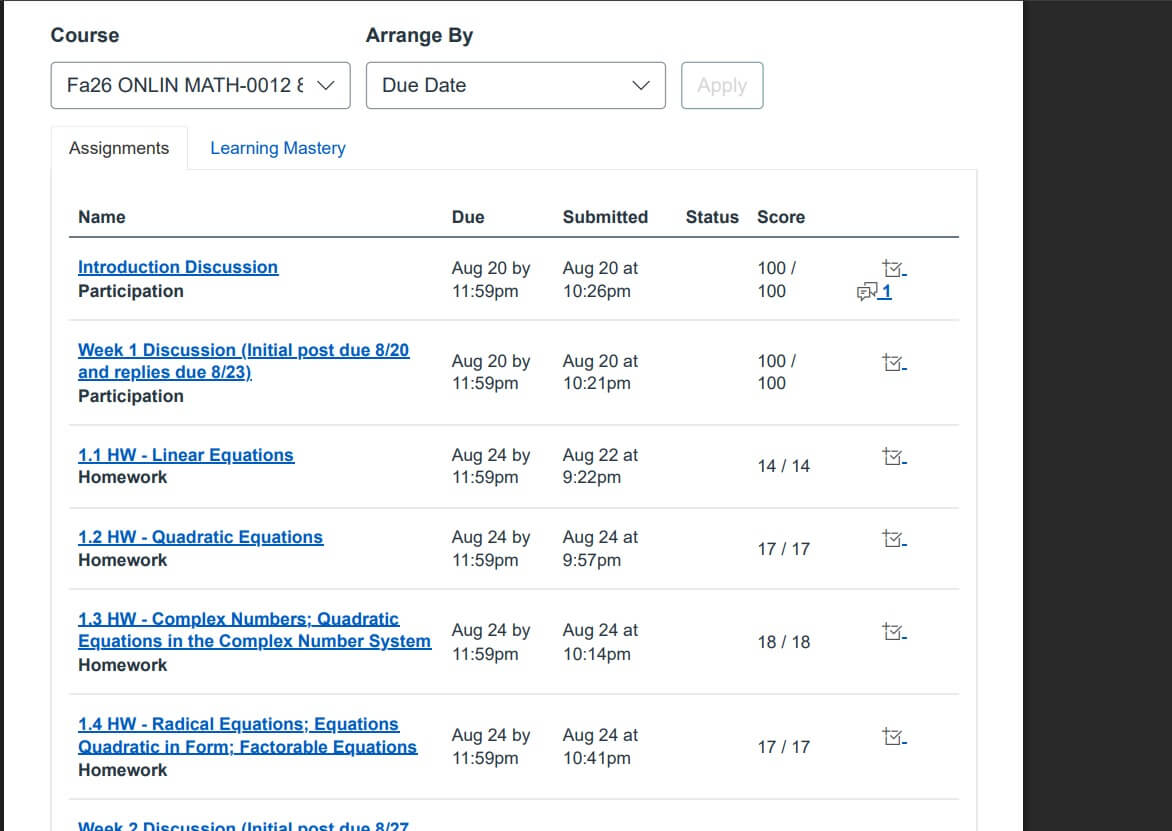
These anonymized screenshots show gradebooks, assignment lists and submission history from online course environments. They demonstrate interface familiarity, not a promise of a specific economics grade.
Economics coursework is scoped by the way the class is actually graded
The first pass is not a generic quote. It is a quick course audit that separates theory, graph work, quantitative tasks, econometrics and research before the term is priced.
Show the syllabus
Send the current module, grading weights and the next economics deadline.
Separate the task types
Graph questions, calculations, data work, research and discussion requirements are identified across the course.
Define what is covered
You receive a course-specific scope and price based on the work that is actually graded.
Organize the deadlines
If you proceed, agreed modules, files and due dates are organized around the course calendar.
How much does it cost to get help with an online economics class?
Most standard online classes fall between $400 and $750 after the syllabus and weekly workload are reviewed. Accelerated, econometrics-heavy or research-intensive economics courses can cost more.
Lighter or shorter class
Fewer modules, mainly conceptual work or a smaller weekly assignment load.
Standard economics class
A regular mix of graph problems, written work, discussions, quizzes and quantitative exercises.
Advanced or accelerated class
Econometrics, compressed schedules, substantial data analysis, research projects or several major assessments.
Check current customer feedback at the source
The 4.8 figure shown here is the broader AllAssignmentHelp Google rating, not an economics-only rating. The Google profile is linked directly so visitors can inspect current feedback rather than relying on copied testimonials.
View current Google reviews →Continue only to pages that add meaningful economics context
These resources connect the class-help page to the broader economics authority hub, a real syllabus-based course guide and a current 2026 economics research resource.
Economics Assignment Help
Broader university-level coverage of microeconomics, macroeconomics, econometrics and economics coursework.
ECN210 Microeconomic Principles
A syllabus-based course guide covering learning outcomes, an eight-week roadmap, grading, assessment types and core microeconomics concepts.
101 Trending Economics Thesis Topics
A current economics research guide covering microeconomics, macroeconomics, development economics, behavioral economics, environmental economics and econometrics.
Questions students ask before getting economics class support
These answers cover subject scope, graphs, econometrics, pricing, privacy and the assessments that still require student participation.
What should I send if my economics class is mostly graphs and problem sets?+
Send the current module, assignment instructions, grading rubric and screenshots of the graphs or problem sets you are working on. If the course uses a textbook platform, include the visible question set and any attempt limits so the workload can be assessed accurately.
Can economics support cover both microeconomics and macroeconomics?+
Yes. Microeconomics support can cover supply and demand, elasticity, costs, market structures and consumer or firm behavior, while macroeconomics support can cover GDP, inflation, unemployment, fiscal policy, monetary policy and aggregate demand and supply.
What changes if my economics course includes econometrics?+
Econometrics adds a data-analysis layer to the course. Send the dataset, assignment brief, required software, variable definitions and expected output so regression work, statistical testing and interpretation can be scoped correctly.
Can you help interpret Stata, R, Excel or EViews output?+
Yes. Support can include reading regression tables, checking model output, explaining coefficients, reviewing hypothesis tests and helping connect the statistical results back to the economics question in the assignment.
How do you handle economics assignments that use current economic data?+
Current-data assignments should use the country, time period, indicators and source requirements stated by the instructor. Share those requirements first so the analysis uses the correct economic series and does not mix definitions or time periods.
What if my economics professor grades the explanation more than the calculation?+
That is common in economics. A correct number or graph still needs a clear economic interpretation, so support can focus on explaining why the result occurs, what assumptions apply and how the conclusion relates to the model being used.
How is an online economics class priced when every week looks different?+
The full syllabus is reviewed rather than pricing one assignment at a time. The estimate reflects the number of graded modules, graph work, quantitative problems, econometrics tasks, research assignments, major projects and deadline pattern across the course.
Which parts of an economics class still need to be completed by me?+
You need to complete proctored exams, webcam or identity checks, live presentations and other activities that require your personal participation. Study support can still help you prepare for those assessments with practice problems, graph review and revision material.
Have the economics syllabus ready?
Send the course level, current module and next deadline. The workload can be reviewed before you decide whether to proceed.