Useful Websites for Students in 2026
What this article will help you understand
Whether it’s school students, college learners, parents, or even working professionals, everyone today spends a significant part of their time on mobile phones and digital devices. While excessive screen time has its downsides, there is no denying that smartphones and the internet have transformed the way students learn in 2026. For students, certain websites and
What are you trying to do with this topic?
Choose the closest task and the page will point you towards a useful next step.
Start with the central concept and the terminology used in the article.
Open the closest route ↗Connect the explanation to the question, learning outcomes and marking criteria.
Open the closest route ↗Review evidence, structure, referencing and the exact submission requirements.
Open the closest route ↗Do you have enough information to begin?
Select what you already have. Nothing is submitted from this checklist.
When these details are together, the requirement can be reviewed in context.
Assignment Help USA ↗Table of Contents
Whether it’s school students, college learners, parents, or even working professionals, everyone today spends a significant part of their time on mobile phones and digital devices. While excessive screen time has its downsides, there is no denying that smartphones and the internet have transformed the way students learn in 2026.
For students, certain websites and platforms are as essential as daily necessities. They help with learning, revision, skill development, career planning, and even mental well-being. But have you ever stopped to think about educational websites that can truly improve your academic performance and future employability?
In 2026, education is no longer limited to classrooms or textbooks. Students are expected to be self-learners, digitally aware, and skill-driven. That’s exactly where educational websites come in. This blog, brought to you especially for students by AllAssignmentHelp, lists some of the most Useful websites for students in 2026 and explains how to use them wisely.
What Are the Different Types of Educational Websites?
Educational websites play a crucial role in shaping a student’s academic, professional, and personal growth. In today’s fast-changing learning environment, these platforms support students mentally, intellectually, and emotionally.
Some major types of educational websites include:
- Websites for language learning
- Educational video and course platforms
- Websites for moral and value-based education
- Social learning and peer-discussion platforms
- Grammar and writing improvement websites
- Education policy and research websites
- Lesson-planning and teaching-support websites
- Online assessment and test-prep platforms
- Electronic libraries and research databases
- Question-and-answer knowledge platforms
In 2026, many students face academic pressure, tight schedules, and personal responsibilities. Some even start wondering, How can I pay someone to do my class for me? and begin searching for alternatives. However, not all alternatives are risky. Exploring the right educational websites can help students manage their workload more effectively and learn smarter.
Online exams stressing you out? Fear of failing or missing deadlines? Your grades deserve better.
When timed exams, proctoring pressure, and tough questions feel overwhelming, let trusted experts step in and take your online exam for you— securely, accurately, and without raising red flags.
🚀 Take My Online Exam For Me✔ 100% Confidential | ✔ Proctored Exam Experts | ✔ Guaranteed On-Time Completion
Useful Websites for Students
There are many educational websites available today, some free, some paid, that significantly enhance students’ learning abilities. Below are some highly recommended and globally trusted websites that continue to remain relevant in 2026.
Khan Academy:
Founded in 2008, Khan Academy is a non-profit platform that continues to support students worldwide in 2026. It offers expert-designed video lessons in mathematics, physics, chemistry, economics, computer science, and more.
Its visual explanations, interactive exercises, and AI-powered practice tools make complex topics easier to understand. Whether you’re struggling with calculus or revising physics concepts, Khan Academy remains a reliable learning companion for both students and teachers.
Coursera:

Coursera is still a favorite among engineering, management, and technology students in 2026. It partners with top universities and global companies to offer courses in AI, data science, cloud computing, cybersecurity, and business management.
Students get a real classroom experience through recorded lectures, assignments, and peer discussions. Upon completion, learne
Quora:

Quora remains one of the most popular knowledge-sharing platforms in 2026. Students can explore real-world insights from professionals, professors, and experienced learners across the globe.
If you’re curious about subjects like machine learning, human-computer interaction, or career options after graduation, Quora allows you to read firsthand experiences and ask questions directly to experts.
Quizlet:
Quizlet continues to be a go-to platform for exam preparation. Whether you’re preparing for the GRE, GMAT, SAT, or university-level exams, Quizlet helps build vocabulary and improve memory through flashcards, quizzes, and AI-powered learning modes.
Its pronunciation tools and collaborative study features make learning more interactive and effective in 2026.
However, if you are a student and still find that your doubts are not completely clear even after using Quizlet, taking online assignment help from a reputable website can be a practical option. Many such platforms offer highly experienced subject-matter experts who can provide detailed explanations, personalised guidance, and broader academic support when you need extra help.
TED:

TED remains a powerhouse of inspiration and ideas. In 2026, students turn to TED Talks for motivation, creativity, and fresh perspectives on technology, education, mental health, leadership, and innovation.
With most talks under 20 minutes, TED is perfect for quick learning sessions without overwhelming students.
The Guardian:

Staying informed is essential for students, especially in 2026 when global awareness matters more than ever. The Guardian provides reliable news coverage on social issues, science, technology, environment, and world affairs in clear and accessible language.
Arts & Letters Daily

Arts & Letters Daily is a treasure trove for students interested in literature, philosophy, history, and cultural studies. It curates high-quality essays, articles, and literary discussions from across the world.
Audible:
In 2026, audio learning is more popular than ever. Audible allows students to learn on the go through audiobooks, podcasts, and educational programs. It’s perfect for students who prefer listening over reading or want to multitask.
LinkedIn Learning:

Formerly known as Lynda.com, LinkedIn Learning offers career-oriented courses in business, creativity, and technology. In 2026, it integrates learning directly with career profiles, helping students align skills with job opportunities.
Instructables:
Instructables is ideal for students who enjoy hands-on learning. From electronics and coding projects to cooking and crafting, it provides step-by-step guides and monthly contests that encourage creativity and innovation.
JSTOR:

JSTOR remains one of the most trusted academic research libraries in 2026. With access to journals, books, and research papers across disciplines, it supports school, college, and postgraduate students in academic writing and research.
Self Control:
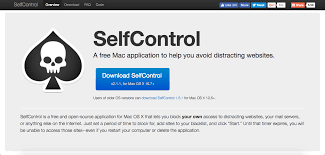
Distraction is one of the biggest challenges for students. SelfControl helps block distracting websites and apps, enabling students to focus better during study hours.
I hope students will find all these websites helpful. If students can cut down their Facebook time and devote some time to these websites they are going to gain a lot. All these useful websites for students are available at your fingertips, and you can utilize them to develop yourself in a better way. So, the next time you have some leisure time, visit one of these websites. Thank you for your time.
Also Read: Top 10 Landscape Architecture Websites To Blow Your Mind
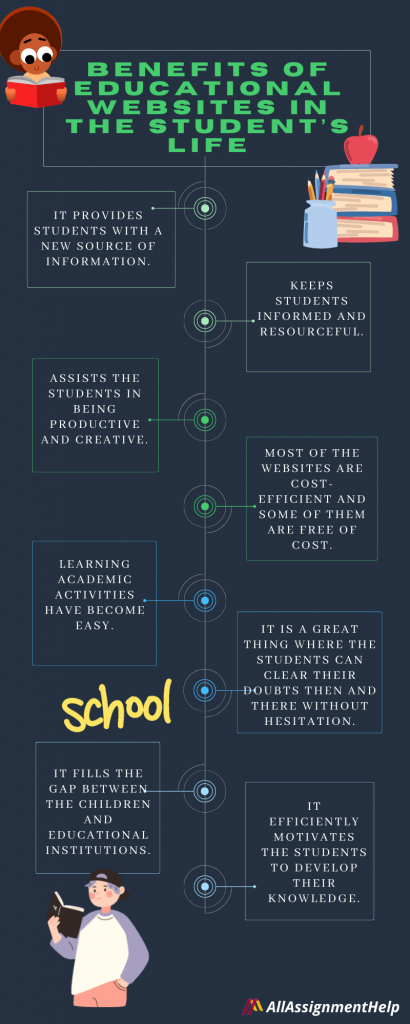
Benefits of Educational Websites in the Student’s Life
In the good old day’s education meant to one on one classes, taking notes by reading books in the libraries, and getting grades by answering the questions in the exams. We cannot imagine our school and college learning without the help of teachers. But post the pandemic our educational lifestyle has completely changed. Nowadays we can learn via online classes, DVD and audio players.
The following are some of the useful websites for students:
- It provides students with a new source of information.
- Keeps students informed and resourceful.
- Assists the students in being productive and creative.
- You can solve your academic doubts from a valid and trustworthy source.
- It can develop the critical thinking skills of learners.
- Provides the flexibility to learn.
- It efficiently motivates the students to develop their knowledge.
- Learning academic activities have become easy.
- They can get a real-life learning experience.
- It is a great thing where the students can clear their doubts then and there without hesitation.
- It fills the gap between the children and educational institutions.
- Most of the websites are cost-efficient and some of them are free of cost which enables the students to easily enroll themselves in the courses.
No one can deny that these websites are extremely useful for students in many ways. They allow learners to explore a wide range of books and study materials from the comfort of their homes. In traditional classroom learning, some students are even willing to pay academic experts available on online class help sites to complete assignments in order to score good marks. However, educational websites have played a significant role in transforming students’ academic lives by supporting their learning and improving overall academic performance.
Conclusion
In 2026, learning is no longer restricted to classrooms or fixed schedules. With the rise of digital education, useful websites for students have become powerful tools that support academic growth, skill development, and independent learning. From understanding complex concepts and accessing global research to improving focus and building real-world skills, these platforms empower students to take control of their education.
While academic pressure and busy routines may sometimes lead students to seek external help, the right educational websites can significantly reduce stress by making learning more accessible, flexible, and effective. When used wisely, these platforms help students improve performance without compromising learning quality. And for times when additional academic support is genuinely needed, trusted services like coursework writing services can act as a reliable support system, helping students manage deadlines while staying focused on their long-term goals.
Frequently Asked Questions
| Question 1: What are the benefits of cell phones in students’ lives? Answer: The different advantages of mobile phones for schools and college students are: A- To understand the concepts better. B-In order to improve subjective knowledge C- Keeps them informed about various topics. D-Can help to earn and be independent. |
| Question 2: How can students spend their free time? Answer: They can spend their free time reading books, stories, or articles, learning a new skill, exercising or practicing yoga, or working on their personal development. |
Connect the explanation to the work your course actually requires
Use this guide beside the exact brief, course material and marking criteria for Useful Websites for Students.
- Read the complete brief.
- Identify the expected academic output.
- Follow the marking criteria and source rules.
- Check the final structure and referencing.
Patrick
Computer Science · 4.7/5
This guide concerns “Useful Websites for Students in 2026”. Patrick is one of the available tutors whose live profile lists experience in Computer Science.
Patrick’s published profile covers ecommerce websites, ICT and ethical issues in computing.
View established tutor profile ↗Relevant subject areas
- Ecommerce Websites
- ICT
- Ethical Computing
- Computer Science
Find another explanation across the complete blog
This search uses WordPress itself, so it can reach articles beyond the 20 shown on the dashboard.
Connect Useful Websites for Students to the task in front of you
Keep the brief, marking criteria, required evidence and submission format visible while you work.