Table of Contents
Mental health conditions can affect emotions, relationships, and everyday life in many ways. One such condition is Borderline Personality Disorder (BPD). It is a complex mental health disorder that impacts how a person thinks, feels, and behaves. People living with BPD often experience intense emotions, unstable relationships, fear of abandonment, and sudden mood changes.
Although living with borderline personality disorder can feel overwhelming, proper support, therapy, and treatment can help individuals manage symptoms and lead stable lives.
In this blog by AllAssignmentHelp, we will discuss borderline personality disorder, its symptoms, causes, diagnosis, treatment options, and practical coping strategies.
What Is Borderline Personality Disorder?
Borderline Personality Disorder is a mental health condition characterized by emotional instability, impulsive behavior, and difficulties in maintaining healthy relationships. People with BPD may experience extreme mood swings, struggle with self-image, and react strongly to stressful situations.
The condition usually begins during adolescence or early adulthood. Many people with BPD experience intense emotional pain and may feel empty, rejected, or misunderstood. However, with professional care and emotional support, symptoms can improve significantly over time.
For students living with BPD, managing academic responsibilities can become extremely challenging. Emotional stress, anxiety, mood instability, and difficulty concentrating often make it harder to attend classes regularly, complete assignments, or prepare for exams. During such overwhelming situations, many students start wondering, how can I pay someone to do my online class for me? To find academic support that can reduce their stress and help them keep up with coursework.
Seeking academic assistance during emotionally difficult periods does not mean a student is weak or incapable. Instead, it can provide temporary support while they focus on improving their mental well-being, attending therapy sessions, and regaining emotional balance. With the right combination of mental health care and academic guidance, students with borderline personality disorder can continue their education more effectively and confidently.
Common Symptoms of Borderline Personality Disorder
Symptoms of borderline personality disorder can vary from person to person. Some individuals experience mild symptoms, while others face severe emotional challenges.
Here are some common signs of BPD:
1. Fear of Abandonment
People with BPD often have an intense fear of being left alone or rejected. Even small situations, such as delayed replies or canceled plans, may trigger emotional distress.
2. Unstable Relationships
Relationships may become intense and complicated. A person with BPD may quickly switch between idealizing someone and feeling angry or disappointed with them.
3. Rapid Mood Swings
Mood changes can happen suddenly and may last for several hours or days. Emotions such as anger, sadness, anxiety, and irritability may become difficult to control.
4. Impulsive Behavior
Some people engage in risky or impulsive activities such as:
- Overspending
- Reckless driving
- Substance abuse
- Unsafe relationships
- Emotional outbursts
5. Low Self-Esteem
People with borderline personality disorder often struggle with self-image and identity. They may feel confused about their goals, values, or sense of self. This emotional instability can also affect academic performance, especially among college students pursuing demanding subjects like psychology. This is why students should have a complete understanding of how to handle psychology assignments.
6. Intense Anger
Sudden anger or difficulty controlling emotions is another common symptom. Emotional reactions may appear stronger than the situation demands.
7. Feelings of Emptiness
Many individuals with BPD describe a constant feeling of emptiness or emotional numbness.
8. Self-Harm or Suicidal Thoughts
Some individuals may engage in self-harming behaviors or experience suicidal thoughts during emotional distress. In such situations, immediate professional support is essential.
Four Serious Borderline Personality Disorders
One of the symptoms of borderline personality disorder is extreme emotional mood swings. Erratic emotions (marked fluctuation of mood) can create problems in any healthy relationship. And it leads to isolation. The feeling of isolation and being left out during mental illness can be overwhelming and lead to other psychological problems. Understanding what BPD is, can help you begin to develop a sense of hope.
Four serious types of borderline personality disorder are mentioned below:
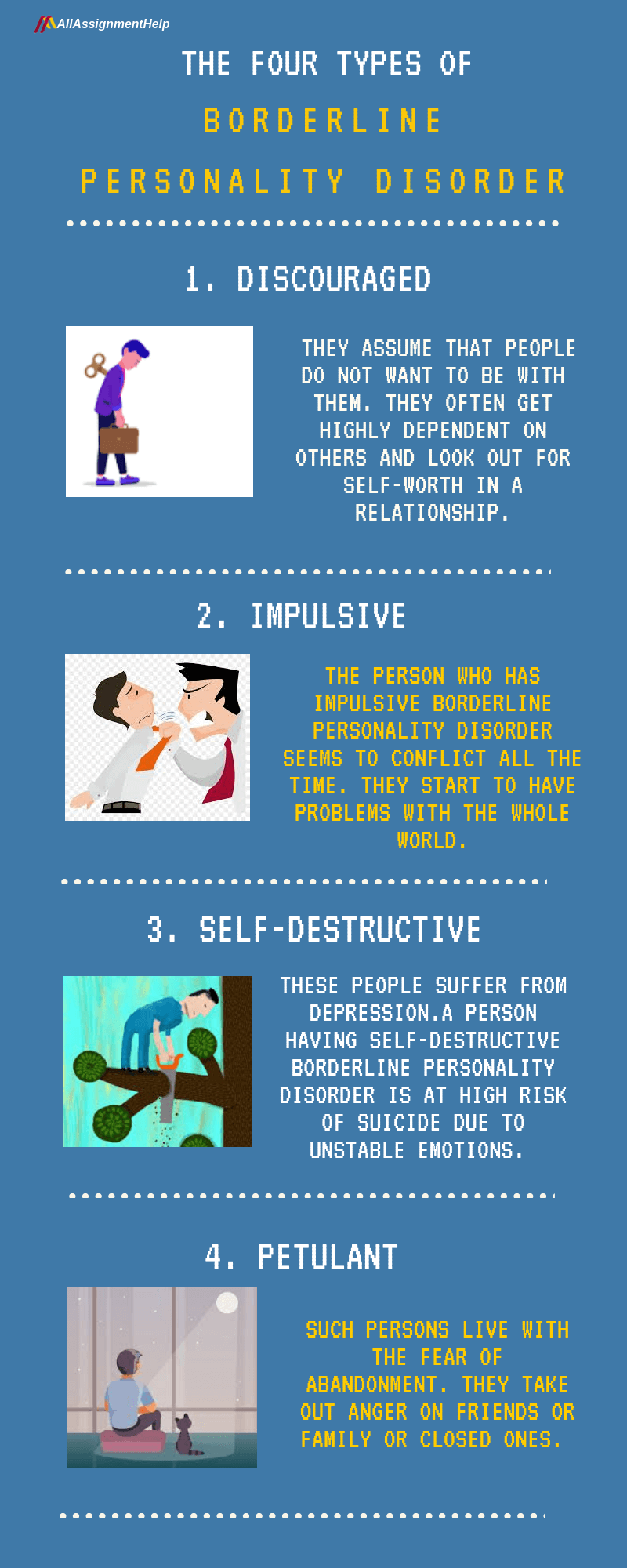
Discouraged Borderline Personality Disorder
If a person is suffering from Discouraged Borderline Personality Disorder. He/she will think that people around them are neglecting and don’t to be around them. They start to develop a mindset that they are unwanted. As a result of this, they start avoiding social interactions and assume that people don’t want to be associated with them. They often get highly dependent on others and look out for self-worth in a relationship. Persons suffering from this type of disorder make every possible effort to keep a relationship as they don’t want to get along. They create a certain situation where they can gain sympathy.
Impulsive Borderline Personality Disorder
Violent behaviour is more common in those who show an impulsive borderline personality disorder. The person who has this kind of disorder always tries to start or involved in conflict all the time. They also generate problems with the whole world as they think everyone is their enemy. People suffering from impulsive BPD become anti-social. Their impulse control gets poor, and they find themselves with substance abuse. Such people also inflict pain on themselves by self-harming.
Self-Destructive Borderline Personality Disorder
A self-destructive borderline personality disorder is a type of disorder where a person showcases self-destructive behavior. The symptoms people suffer from in this type of mental illness are mainly depression. Here the person develops a mindset that no one loves them and they start being very careless and also experience a kind of void in their life. The main risk of this type of illness is the person is even prone to attempt suicide due to unstable emotions.
Petulant Borderline Personality Disorder
A person having Petulant Borderline Personality Disorder faces difficulty in expressing feelings and emotions. That person can self-harm to grab the attention of the desired person. Such persons live with the fear of abandonment. They take out anger on friends or family or close ones.
Well, you can find some similarities between the different kinds of BPD. A mental health professional with a specialized degree and knowledge of this can properly distinguish, identify, and guide you. The only advice is to seek professional treatment as soon as you find symptoms of mental disorders or any other disorders. And, if you are studying and need extra assistance on human behavior, you can always take online humanistic psychology assignment help.
Symptoms of Borderline Personality Disorder
It would be good to know the symptoms of borderline personality disorder to get the best treatments. If you find any of the below-mentioned symptoms, then seek professional care immediately. Let’s learn about the signs and symptoms of borderline personality disorder in a more detailed manner.
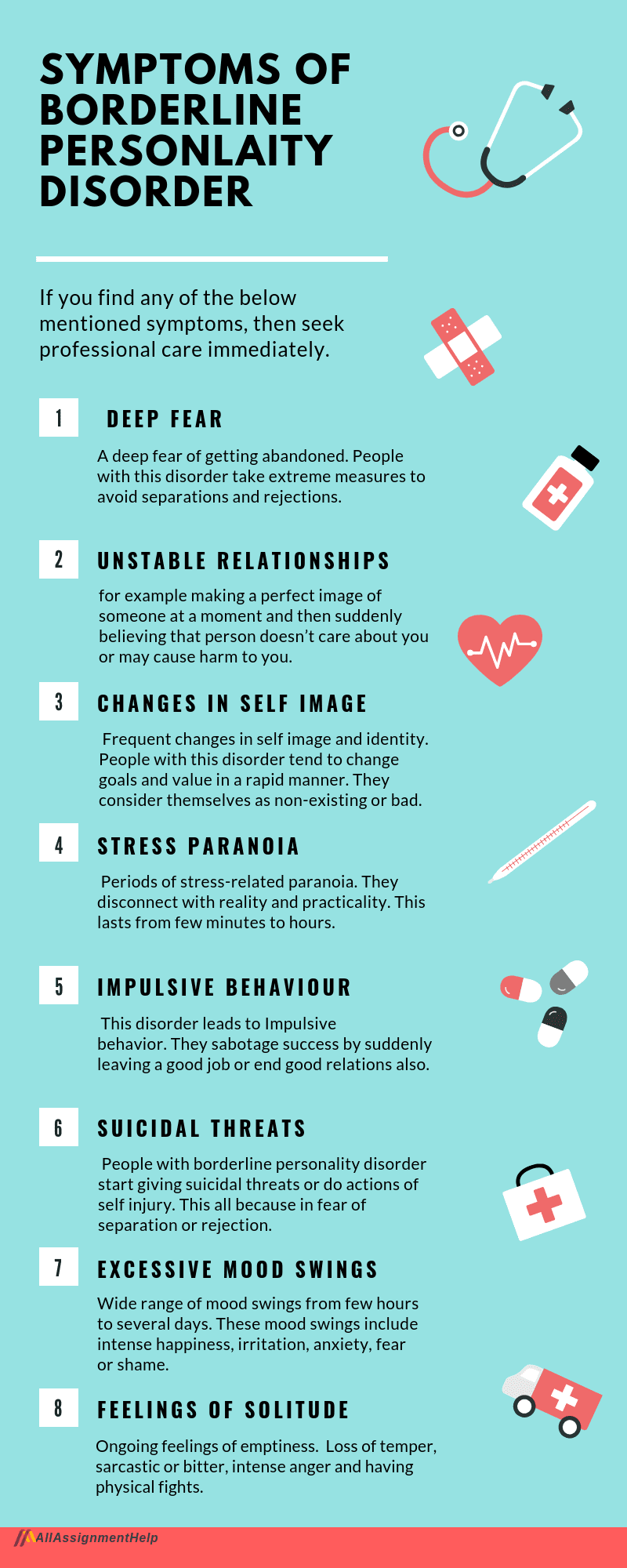
- A deep fear of getting abandoned. People with this disorder take extreme measures to avoid separation and rejection.
- Unstable intense relationships, for example, making a perfect image of someone at the moment and then suddenly believing that person doesn’t care about you or may cause harm to you.
- Frequent changes in self-image and identity. People with this disorder tend to change goals and values quickly. They consider themselves as non-existent or bad.
- Periods of stress-related paranoia. They disconnect with reality and practicality. This lasts from a few minutes to hours.
- This disorder leads to Impulsive behaviour. They start taking risks involving things such as gambling, reckless driving, unsafe sexual habits, binge diets, and drug abuse. They sabotage success by suddenly leaving a good job or ending good relations.
- People with borderline personality disorder start giving suicidal threats or do actions of self-injury. This is all because of fear of separation or rejection.
- A wide range of mood swings from a few hours to several days. These mood swings include intense happiness, irritation, anxiety, fear or shame.
- Ongoing feelings of emptiness
- Loss of temper, sarcastic or bitter, intense anger and having physical fights.
Above mentioned points are the symptoms that directly reflect in someone’s personality, and once you know them, you should look out for help.
Causes of Borderline Personality Disorder
Just like other personality disorders, you cannot understand the causes of borderline personality disorder. In addition to environmental factors, such as a history of child abuse or neglect, borderline personality disorder may be linked to:
Genetics
Studies suggest that borderline personality disorder is related to genes. They are inherited or associated with other mental health disorders in other family members.
Brain abnormalities
Some research has shown that the brain is also involved in borderline personality disorder. The brain regulates emotions, impulsivity, and aggression. There are brain chemicals that help to regulate moods, like serotonin.
Other than these, you may have some more mental health disorders, such as:
- Anxiety disorders
- Depression
- Alcohol or other substance misuse
- Eating disorders
- Bipolar disorder
- Other personality disorders
- Post-traumatic stress disorder (PTSD)
- Attention-deficit/hyperactivity disorder (ADHD)
Borderline personality disorder is a common mental health condition that can affect school and college students. If you think you are experiencing any of these symptoms, it is important to talk to your parents, teachers, or a mental health professional and seek proper medical support. Many students ignore these issues because they worry that their studies may suffer. However, prioritizing your mental health is equally important for academic success.
During emotionally challenging times, students can explore different ways to manage their academic responsibilities without putting excessive pressure on themselves. Seeking help from friends, teachers, counselors, or academic support services can reduce stress and help students stay focused on recovery.
For example, if you are struggling to manage coursework due to emotional instability or mental health challenges, you may look for reliable academic assistance online. A history student feeling overwhelmed might search for phrases like “Can someone take my online history class for me?” to find temporary support while focusing on treatment and emotional well-being. Choosing a trustworthy and professional service can help students balance academics and health more effectively during difficult situations.
Treatment of Psychological Disorders
Treatment is very important for any psychological disorder. There are certain types of psychotherapies present which treat the personality disorder very well. During sessions with psychotherapists, a person can gain insight and knowledge about the disorder. He/she can get the agents that are causing the symptoms. An individual can freely discuss his/her feelings, thoughts and behaviours with the therapist. Psychotherapy helps a person manage the disorder and reduce its effects on others. Treatment is depending upon the kind of disorder and severity of it. The end product of this therapy is to make a good lifestyle change.
Commonly used types of psychotherapy include:
- Psychoanalytic/psychodynamic therapy
- Group therapy
- Dialectical behavior therapy
- Cognitive behavioural therapy
- Psychoeducation (teaching the individual and family members about the illness, treatment, and ways of coping)
Medicines are not the solution to every problem. When it comes to personality disorders, you cannot rely on medicines. Yes, there are some medicines available in the market to reduce depression but not the disorder. To treat the disorder completely a person needs a team approach which will involve caring, a psychotherapist, a psychologist, and family support.
Why Is Psychology Subject Becoming Popular Among Students?
In recent years, the psychology subject has become very popular among students. There are reasons behind this, which are discussed below:
Curiosity About Human Behaviour
Most of the students are very curious to know about what triggers human emotions or behaviours. They are drawn towards these subjects and they want to gain insights into human behavior and they try to understand the complexities in human behavior. Students have a curiosity to know why people commit crimes so they try to know what Criminology is, to understand criminal behaviour.
Mental Health Awareness
People all around the world have become quite open and they openly talk about mental health problems no matter to which industry they belong. Because of this students are inclined towards knowing about human behavior and learning psychology. They explore mental illnesses like Borderline Personality Disorder, and how they can help people suffering from them.
Career Goal
Psychology subject has a vast career opportunity. Students can become counsellors, and researchers and even opt for clinical psychology. They also go for exploring this field to get job security.
Conclusion
In conclusion, borderline personality disorder can significantly affect students pursuing their education. The emotional instability, stress, and relationship difficulties associated with BPD often make it challenging for students to focus on academics and maintain a healthy routine. Psychology, being a popular field of study, helps students understand mental health conditions like BPD and learn effective ways to manage and address them.
Promoting mental health awareness, seeking professional treatment, and getting emotional support can make a major difference in a student’s life. At the same time, academic guidance can also help students reduce pressure during difficult phases. Many students dealing with emotional stress often seek psychology assignment help to better manage deadlines, understand complex concepts, and maintain their academic performance while focusing on recovery. With the right treatment, support system, and expert assistance, students with borderline personality disorder can successfully manage their mental health and achieve academic success.
FAQs
1. What is borderline personality disorder?
Borderline personality disorder (BPD) is a mental health condition that affects emotions, behavior, relationships, and self-image. People with BPD often experience mood swings, fear of abandonment, and emotional instability.
2. What are the main symptoms of borderline personality disorder?
Common symptoms include intense mood changes, unstable relationships, impulsive behavior, fear of rejection, anger issues, low self-esteem, and feelings of emptiness.
3. Can borderline personality disorder be treated?
Yes. Borderline personality disorder can be managed effectively through therapy, emotional support, lifestyle changes, and sometimes medication prescribed by mental health professionals.
4. What causes borderline personality disorder?
BPD may develop due to a combination of genetic factors, childhood trauma, brain function differences, and stressful environmental experiences.
5. Is borderline personality disorder common among students?
Yes. Many students experience symptoms of BPD, especially during stressful academic situations. Emotional challenges may affect concentration, relationships, and academic performance.